
| Registered Users | Biomass Pictures | Links | Contact Mesa |
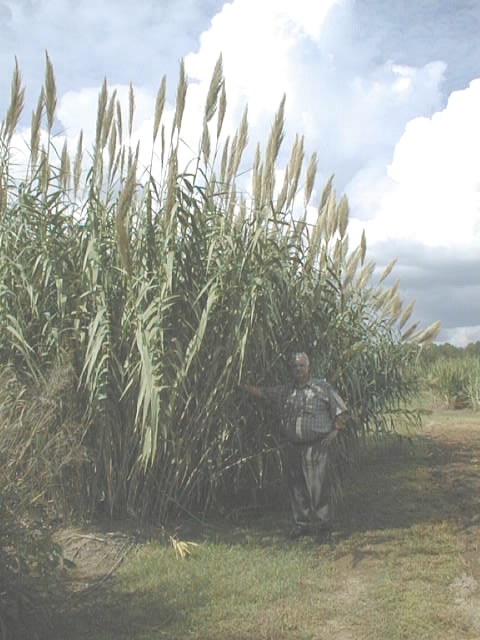
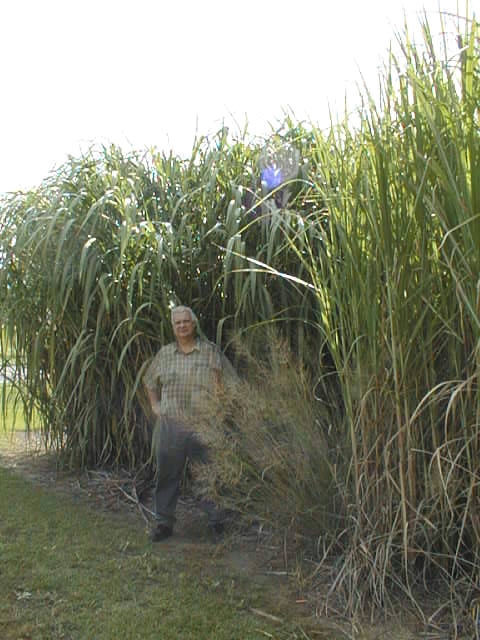
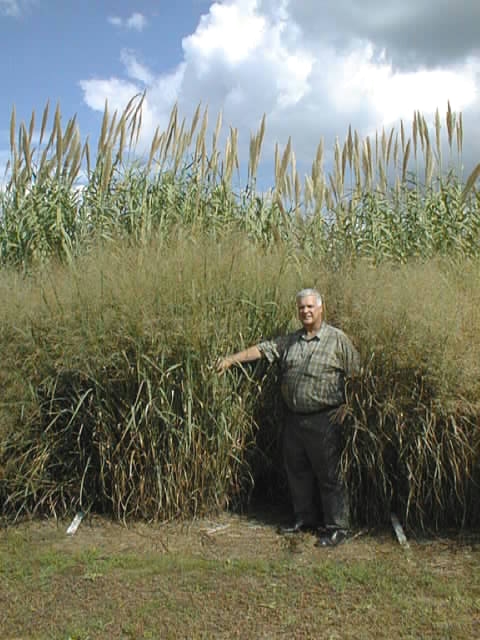
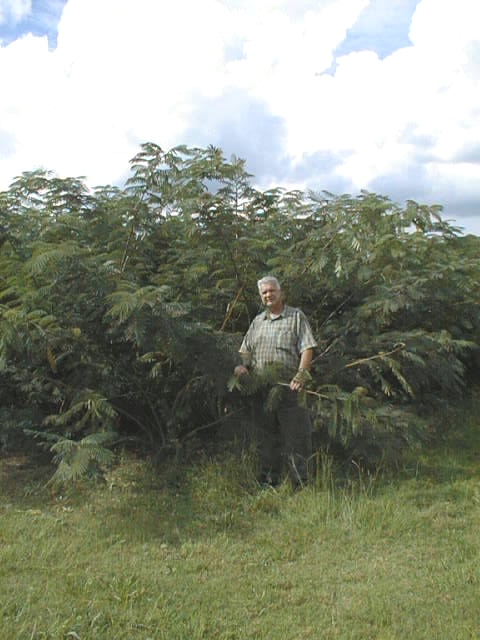
What is Biomass?As defined by the Department of Energy, The term "biomass" means any plant derived organic matter available on a renewable basis, including dedicated energy crops and trees, agricultural food and feed crops, agricultural crop wastes and residues, wood wastes and residues, aquatic plants, animal wastes, municipal wastes, and other waste materials. Renewable electricity is becoming a more attractive alternative at a time when most fossil fuel costs are at all-time high levels. Crude-oil futures are trading at historically high prices, pushing up gasoline and heating oil prices. Natural gas, which is one of the primary fuels used to generate much of the electricity used in New England, is also at historic highs. Supporters of green power note that investing in renewable energy will lessen the country's reliance on foreign fuel imports, while helping to cut down on pollution. Green power programs offered by a larger percentage of utilities are allowing customers to support the higher cost of renewable generation. While the premium price paid for renewable power reflects power placed on the grid but does not guarantee that the electricity entering customers homes will be green power. That is because electricity from all sources is dumped into the regional power grid that serves nearly all customers. There's no way to direct electrons from green power sources to a particular location on the grid. Following are some examples of biomass crops currently being evaluated by Auburn University. |
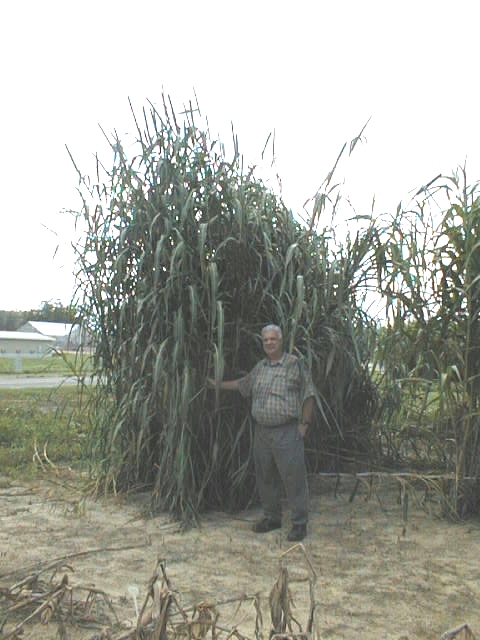 |
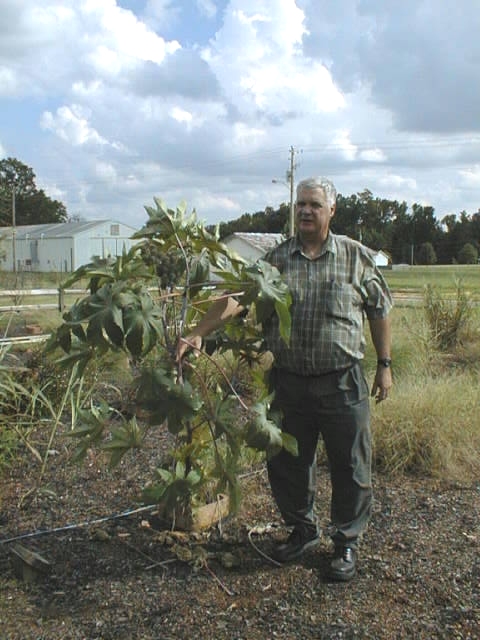 |
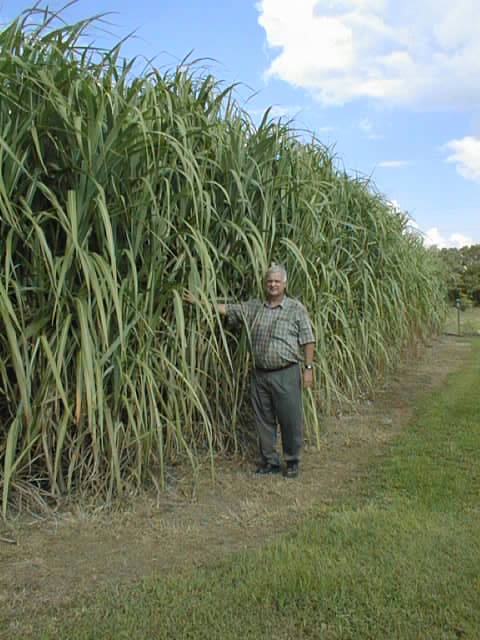 |
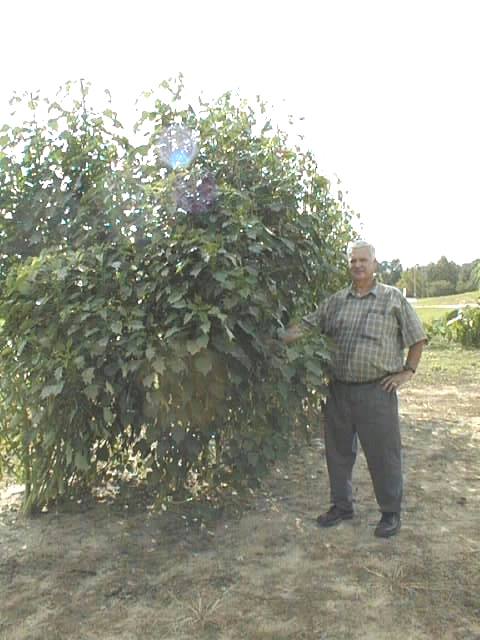 |
| Dr. Bransby Photo #1 | Dr. Bransby Photo #2 | Dr. Bransby Photo #3 | Dr. Bransby Photo #4 |
 |
 |
 |
 |
| Dr. Bransby Photo #5 | Dr. Bransby Photo #6 | Dr. Bransby Photo #7 | Dr. Bransby Photo #8 |
 |
|||
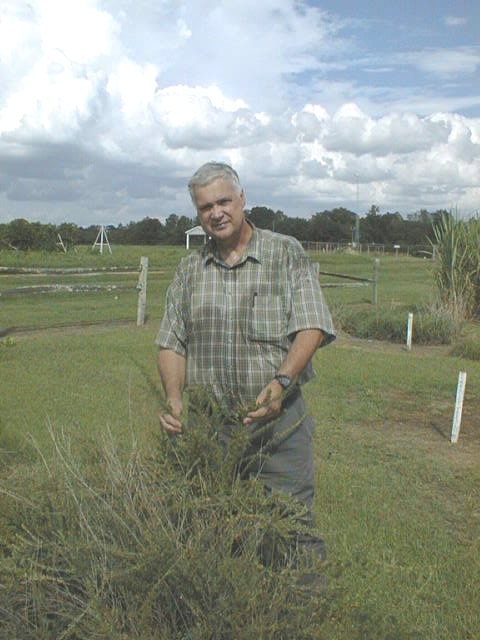
| Dr. Bransby Photo #9 | |||
 |
 |
||
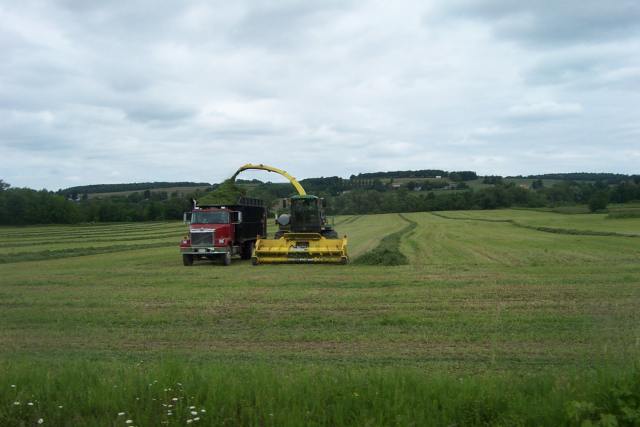
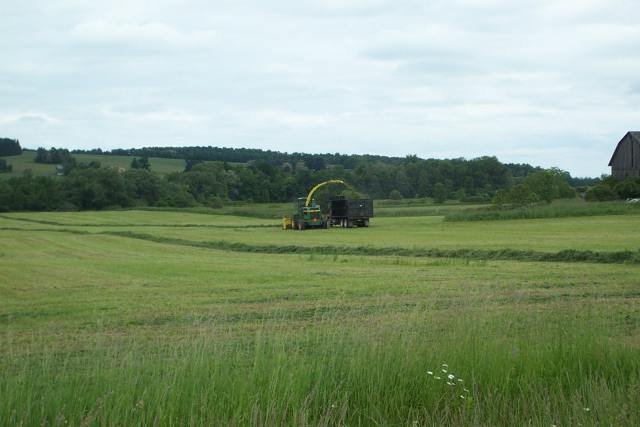
| Harevsting of Hay Silage in New York June 2004. | |||